How to set up an honesty box stall

.avif)
Step 1: Decide what you're selling
Start with what you genuinely have too much of — eggs, a courgette glut, spring seedlings. The best first stall sells one or two things well, not ten things badly. Our guide to what to sell in an honesty box covers what works and which items bring rules with them.
Step 2: Pick the spot
Three things make a location:
- Visibility — can a driver read your sign in time to decide to stop?
- Safe stopping — a gateway, verge or pull-in where a car can get off the road. No safe stop, no sales, and possibly an unhappy highways department.
- Your land — put it on your own property at the boundary. If the only option is the roadside verge, that's usually highway land: check with the council before building anything on it.
If you're set back from a lane, a small sign at the junction ("Fresh eggs 100 yds ➜") does wonders.
Step 3: Build for the weather (and the produce)
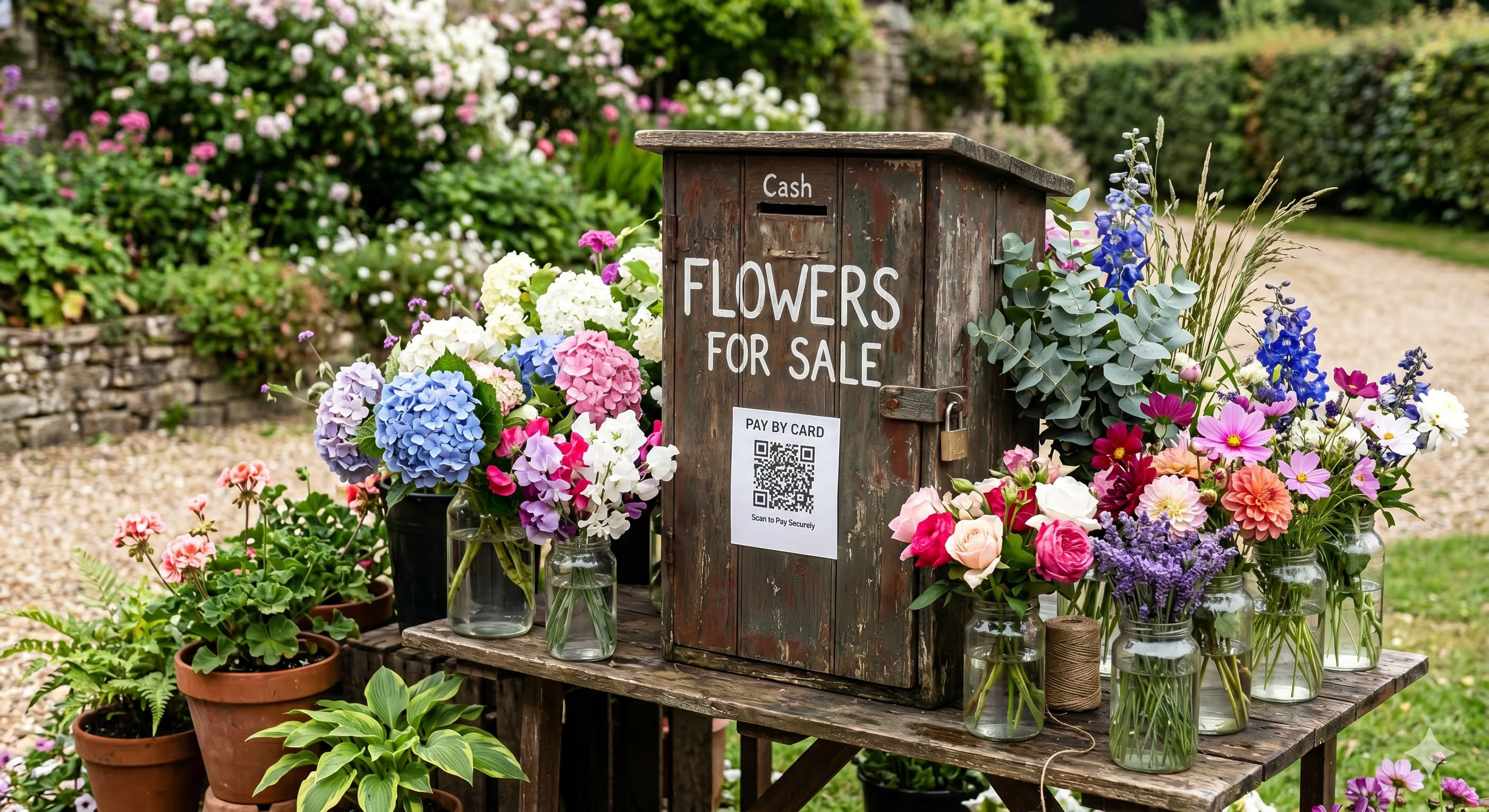
The stall needs a roof, a back to the prevailing rain, and — this is the one people miss — shade. Produce cooking in a south-facing perspex box looks terrible and spoils fast. Eggs especially: buyers are visibly wary of eggs that have sat in the sun, and sellers who moved their eggs into shade or a small fridge report noticeably better sales. If you have power nearby, a small secondhand fridge with a "please close the door" sign is a genuine upgrade for eggs and cut flowers.
An old cupboard, a rabbit-hutch-style box, a pallet-wood shelter — the classics all work. Charm outsells carpentry.
Step 4: Signage that sells
Big letters, readable at driving speed: what it is and how much. "FRESH EGGS £2.50" beats a paragraph. Then, at the stall itself:
- A price list for everything
- A chalkboard section for whatever's seasonal this week
- Your first name and a line about the place ("laid this morning by our hens") — personal stalls sell more and get stolen from less
- How to pay (see step 6)
Step 5: Sort the money box
A metal cash tin with a coin slot, screwed or bolted down inside the stall, emptied often. The tin should never be liftable and never look full. Skip the change float or keep it to a couple of pounds — it's the first thing that walks. Our guide to honesty box theft has the full security picture, but the one-line version is: fix everything down and don't let cash accumulate.
Step 6: Let people actually pay you
Here's the modern problem: cash is now just 9% of UK payments, so a growing share of the people who stop simply can't pay a cash-only stall. A weatherproof QR code next to the tin fixes it — customers scan with their phone camera and pay by card in seconds, no app needed. Keep the tin for the cash faithful; the QR code catches everyone else.
Step 7: Do the five-minute legal check
For most stalls this is genuinely quick:
- Selling eggs? Register your birds with APHA (free, required for all keepers since October 2024) and read the gate sales rules — no grading needed at the gate.
- Selling food you've made (jam, cakes)? Register as a food business with your local council — free, do it 28 days before you start. If it's cakes specifically, our cake shed guide walks through registration and labelling in full.
- Takings heading past £1,000 a year? That's the point Self Assessment enters the picture — the tax guide explains the trading allowance in plain English.
- Planning permission? A small moveable stall on your own land is generally not an issue. A permanent structure, a big illuminated sign, or something causing traffic to queue on a blind bend can attract council attention — if in doubt, a quick informal call to planning saves headaches.
- Insurance? Mention the stall to your home insurer; some policies cover it, some smallholder policies include public liability. Five-minute phone call.
Step 8 (the unofficial one): Tell people
Post in your village Facebook group and local noticeboard groups with a photo. Mention restock days ("eggs out Wednesday and Saturday mornings") — regulars form habits around them. After that, the stall markets itself to everyone who drives past, which is the quiet genius of the whole thing.
Frequently asked questions
How much does it cost to start an honesty box?
As little as nothing, if you have scrap wood and a tin. A realistic budget for a smart stall from scratch: £30–£80 for materials, tin, signage and laminating. It can pay for itself in the first month of egg sales.
Do I need permission to put a stall at my gate?
On your own land, generally no for a small stall. On the verge or highway land, ask the council first.
How do I stop things spoiling?
Shade, airflow, small quantities restocked often. Better to sell out by noon than display wilted lettuce at five.
What's a realistic income?
Most gate stalls make pocket money to modest hundreds per month — enough to make the hens self-funding, seldom enough to retire on. The sellers who do best treat it as a shop window: regulars who start with eggs end up ordering veg boxes and Christmas wreaths.
How do I set up an honesty box stall at my gate in the UK?
Ready for step 6?
HonestyBox gives your stall card payments with a single QR code — no hardware, no monthly fees, just 5% when you get paid. Print the code free, or order an engraved Welsh slate plaque that'll outlast the stall.