What can you sell in an honesty box?

The honesty box is Britain's smallest retail format, and it's more flexible than people think. Here's what works, what sells, and where the rules kick in.
The classics (and why they work)
Eggs are the anchor. They're what people expect at a gate, they generate repeat weekly customers, and half a dozen eggs is an easy impulse purchase at £2–£3. If you keep hens, start here — just read up on the egg rules first (short version: fine at the gate, register your birds, no "Class A" labels).
Seasonal veg gluts are the original honesty box stock. Courgettes in August, runner beans, tomatoes, rhubarb, pumpkins in October. You were never going to eat forty courgettes anyway.
Plants and seedlings quietly outsell everything in spring. Tomato plants, veg seedlings, potted-on perennials, herbs. Sellers report roaring trade from a card table of plants — they're high-margin (a packet of seeds becomes £40 of seedlings) and gardeners are a wonderfully honest bunch.
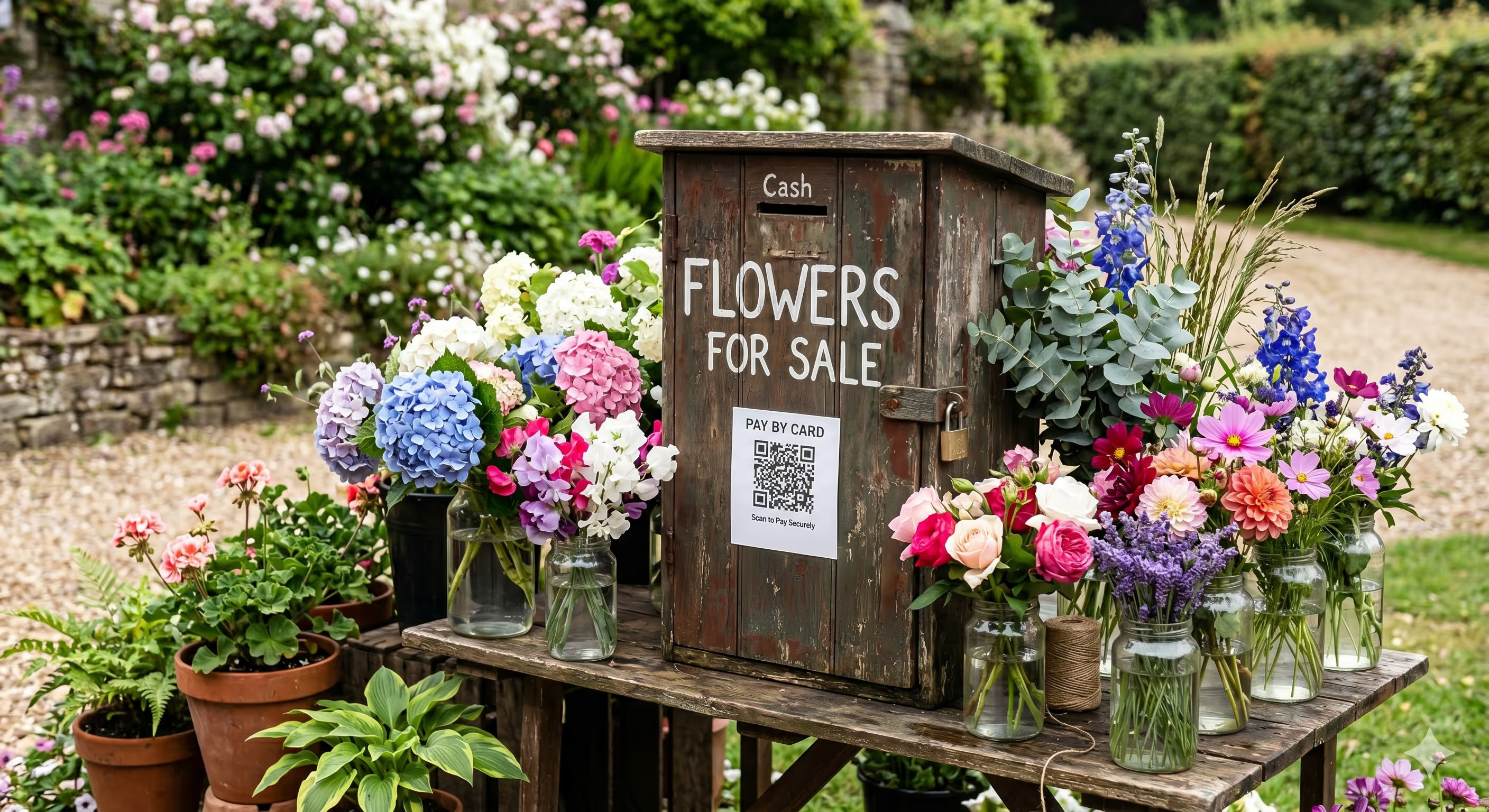
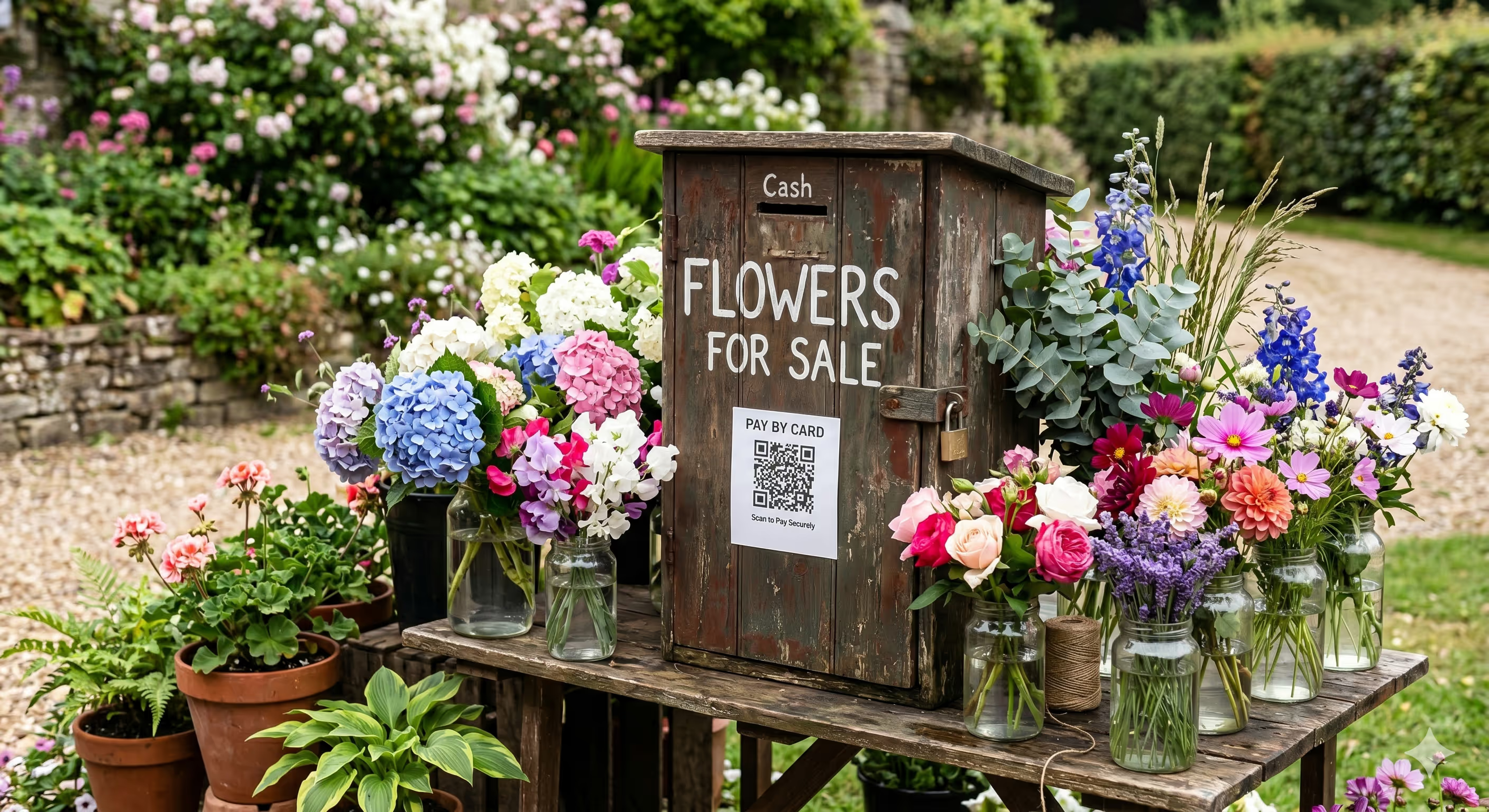
Cut flowers — dahlias, sweet peas, sunflowers by the stem or bunch. Jam jars of sweet peas at £3 fly in summer.
Logs and kindling flip your stall into a winter business. Net bags of kindling and small log sacks sell exactly when the veg stops.
Preserves and bakes — jam, chutney, marmalade, honey, cakes, Welsh cakes if you're lucky enough to be in the right country. Higher price points, longer shelf life. This is also where the food rules arrive (see below).
Crafts and everything else — plant supports, walking sticks, bird boxes, greetings cards, sea glass art, surplus fruit from the orchard. If it's yours and it's legal, the box doesn't mind.
What the rules say
Think of it as three tiers:
Tier 1 — Uncut fresh produce and plants. Simplest of all. No food business registration needed for selling your own whole fruit and veg or plants in small quantities.
Tier 2 — Eggs. Legal at the gate with light rules: birds registered, best-before dates, no official grade labels, direct to consumers only.
Tier 3 — Food you've made. Jam, chutney, cakes, honey you've jarred. If you're doing this regularly, you should register as a food business with your local council at least 28 days before you start. It's free, it isn't a licence you can fail to get, and it usually leads to a friendly hygiene visit and a rating. You'll also need honest labels: what's in it, your details, a date — and pay attention to allergens (nuts, milk, eggs, gluten and the rest of the 14 regulated allergens must be declared on prepacked food). The Food Standards Agency has plain-English guidance for exactly this scale of seller. For cakes specifically, our cake shed guide covers registration and labelling step by step.
None of this is meant to put you off tier 3 — thousands of gate stalls sell jam perfectly legally. It's a registration and some labels, not a licence to print money for solicitors.
What you can't sell
A short list, but a firm one:
- Alcohol — needs a licence, full stop. Your sloe gin stays a Christmas gift.
- Raw (unpasteurised) milk — heavily restricted, registered producers only, and banned entirely from this kind of sale in Scotland.
- Other people's eggs — the farm gate exemption covers your eggs from your hens.
- Anything age-restricted — no one's checking ID at an unattended stall, so nothing that needs it.
Pricing for a no-change world
Whatever you sell, price it in round numbers — £1, £2, £3, £5. Most customers no longer carry a purse of change, and "£2.70" is how you end up with £2.50 in the tin and a silent apology. Round prices also make the mental maths easy for multi-item purchases.
(If you add card payments, this matters less — the customer types the exact amount — but round numbers are still kinder on everyone.)
Frequently asked questions
Do I need a licence to sell my own vegetables at the gate?
No licence is needed to sell your own surplus produce in small quantities. Regular, larger-scale selling makes you a food business in the council's eyes — registration is still free.
Can I sell my neighbour's produce alongside mine?
For veg, informally splitting a stall is common and low-risk. For eggs, no — the exemption is strictly your own hens. And remember whoever's name is on the stall carries the responsibility.
What sells best?
Eggs for regulars, plants for profit, pumpkins for glory. Ask around locally — the best honesty box research is buying from the other boxes in your area.
Do I pay tax on all this?
Only once total takings pass £1,000 in a tax year. Our honesty box tax guide covers it in five minutes.
What can I legally sell from an honesty box at my gate in the UK?
Keep your honesty box thriving
Start accepting card payments today. No monthly fees, no fuss, no contracts.