How to sell plants from your driveway

Can you sell plants from your driveway?
Yes, and it's one of the better things to put on a gate stall. Plants have a decent margin, they don't spoil the way a tray of tomatoes does, and they survive a day in the rain. Most of what you sell you can grow from seed, cuttings or division, which means the stock costs you a pot and some compost rather than money.
The catch is that it's properly seasonal. April and May will do more business than the rest of the year put together, and January will do nothing at all.
Do you need permission from the council?
On your own driveway, generally not. A small stall on your own land, selling things you've grown, isn't something the council needs to licence. There is a separate plant health registration worth knowing about, covered further down.
The verge is a different matter. That's usually highway land, and setting up there can count as street trading — ask first. The other thing worth a moment's thought is whether cars stopping for your stall will be safe pulling in and out. On a blind bend or a fast stretch, site the stall so people can get fully off the road.
What plants sell best from a driveway stall?
It changes completely through the year. This is roughly how a UK stall runs:
- February to March. Snowdrops in the green, rhubarb crowns, seed potatoes and bare-root shrubs. Small but keen trade — mostly gardeners who know exactly what they want.
- April to May. Bedding, tomato, courgette, cucumber and bean plants, sweet peas and hanging baskets. This is the peak, and most stalls take more in these eight weeks than in the whole rest of the year.
- June. Late bedding, herbs, patio pots and gap-fillers. Still busy, mostly people replacing what didn't make it.
- July to August. Herbs, houseplants, cut flowers and any spare veg plants. The quietest stretch for plants — worth giving some of the table over to produce.
- September to October. Divided perennials, spring bulbs, wallflowers and potted shrubs. The second peak, and a more knowledgeable customer.
- November to December. Wreaths, potted hyacinths, amaryllis and small evergreens. A short, high-margin Christmas trade.
- January. Not much. Rest, sow seed, take cuttings and mend the stall.
If you only ever did April and May properly, you'd have most of the money.
How much should you charge?
Price against your nearest garden centre and sit somewhere around a third below. That's the whole method. People stop at a driveway stall because it's cheaper and because they'd rather the money went to a neighbour, and undercutting by a third does both without giving your work away.
As a rough starting point: a strip of bedding at a pound or two, a 9cm perennial at two-fifty to four, a one-litre pot at four to six, tomato plants at a pound or so each or three for a fiver, hanging baskets somewhere between twelve and twenty. Check your own local prices before you commit — they vary a lot by region.
The most common mistake is pricing too low. A tomato plant you grew from a 2p seed still took ten weeks of windowsill space, and people will happily pay two pounds for it.
Where do the plants come from?
Four routes, in rough order of how much they cost you:
- Cuttings — free. Lavender, salvia, pelargonium, penstemon, fuchsia and rosemary all root easily. Take them in summer for stock to sell the following spring.
- Division — free. Lift and split perennials in autumn and you get four plants where you had one.
- Seed — pennies per plant. Tomatoes, courgettes, sweet peas, cosmos, calendula. This is what fills an April table.
- Self-seeders — free, and you were going to weed them out anyway. Aquilegia, foxgloves, verbena bonariensis and poppies all seed about; pot them up rather than hoeing them off.
- Bought-in plugs — fastest, but they eat the margin. Useful to fill a gap, not a business.
Most stalls end up doing a bit of all of it. The people who make real money from a driveway are the ones who took cuttings last July.
How do people pay if you're not there?
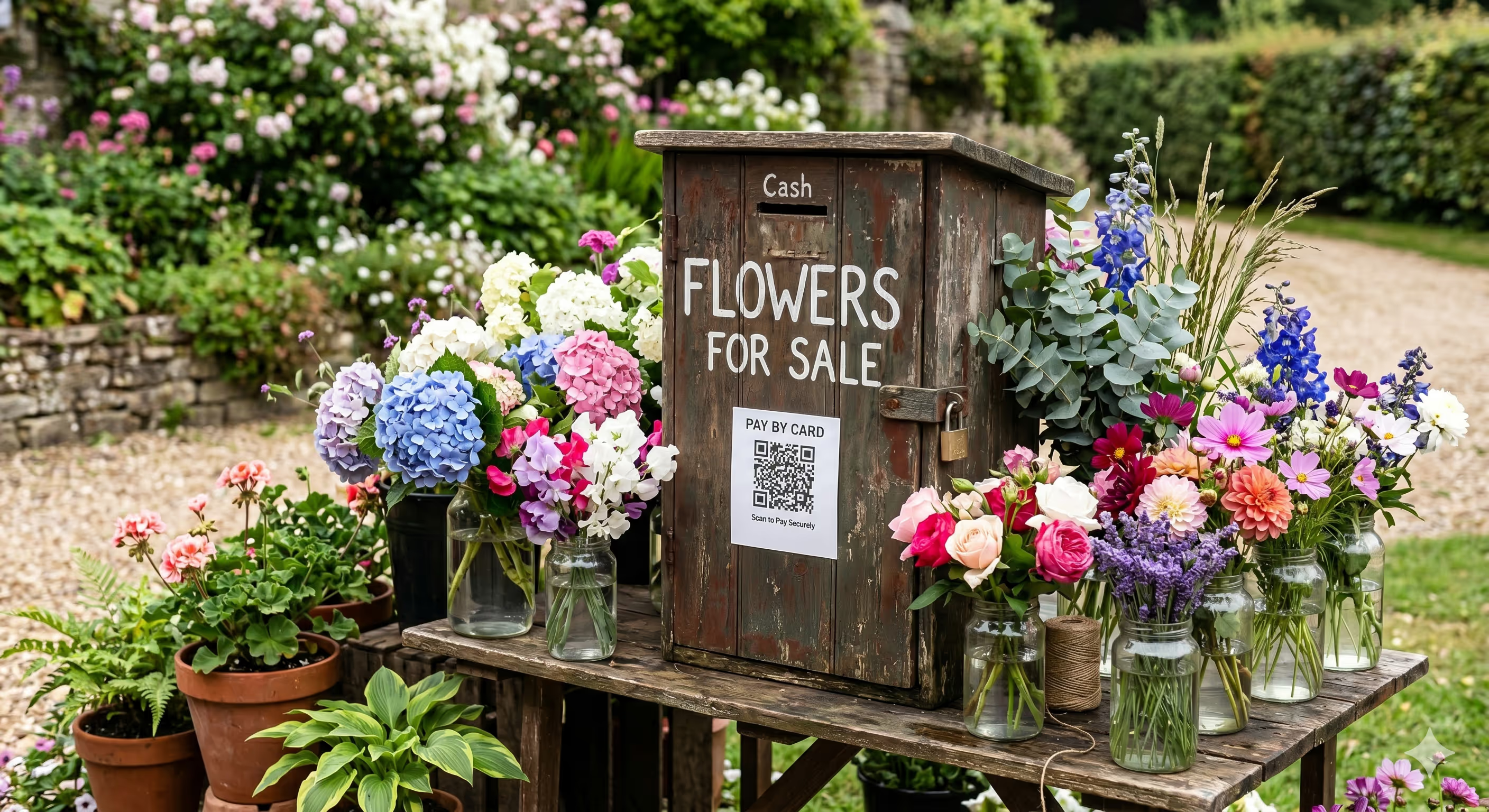
Plant stalls run unattended more than most — the whole point is that you're not standing there on a Tuesday afternoon. That means a tin, and increasingly a card option too, because a lot of people who stop simply don't carry cash any more.
A QR code beside the plants lets someone pay by card from their own phone in a few seconds. No machine to leave out in the weather, and you get a notification for every sale so you know what's gone. More on the practicalities on our driveway stalls page.
Do you pay tax on driveway plant sales?
Worth being clear on this, because it differs from selling at a boot sale. Clearing out your own belongings isn't trading. Growing plants specifically to sell is — you're producing goods for sale, which makes it trading income from the first pound.
That said, HMRC's trading allowance covers you up to £1,000 of trading income in a tax year, with nothing to declare and nothing to pay. Plenty of driveway stalls never go past it. Our guide to tax on honesty box takings covers what happens if you do.
What you need to set up
- A bench or table that can take being watered daily — slats beat solid board
- Some shade for July, and a bit of shelter from the prevailing wind
- Clear per-item pricing, written big enough to read from a car
- A watering can and the habit of doing it before you leave the house
- A tin, a QR code, or both
- A restock day people can rely on — regulars form habits fast
The stall itself matters less than the watering. Nobody buys a wilted plant, and a stall of sad-looking stock in August loses you the customers you earned in May.
Common questions
Do I need a licence to sell plants from my driveway?
No. Selling plants you've grown from your own land doesn't need a licence. It's setting up on the verge or the highway that raises a question, and that's worth asking the council about first.
Do I need plant passports?
Not for a stall where people pay in person. Plant passports run right through the supply chain, but the final step — selling to someone who's buying for their own garden — is exempt. The exceptions are distance selling and trade: if you sell online or by mail order to the public, or supply other retailers, passports are required.
Do I need to register with APHA?
Possibly, and this is the part people miss, because registration is a separate thing from issuing passports. APHA asks anyone professionally involved in producing or moving plants to register as a plant health professional operator. It's free, takes about five days, and the form has a tick-box for small local sellers.
Exactly where a driveway grower sits isn't spelled out plainly in the public guidance. If you're growing specifically to sell rather than passing on a few spare seedlings, the APHA plant health helpline will tell you in one phone call, and it costs nothing to be on the register.
What's the single best-selling plant?
Tomato plants in late spring, by a distance. Everyone means to grow tomatoes, most people leave it too late to sow, and a driveway stall in early May catches exactly that.
How much can you actually make?
A well-run driveway stall is pocket money to a few hundred pounds across a good spring — not a living, but a decent return on greenhouse space you were using anyway. The ones doing better than that have usually turned it into a small nursery.
Can I sell plants I bought from a garden centre?
You can, but there's little margin in reselling at a discount. Buying small plugs and growing them on for a season is a different matter — that's where the value gets added.
What happens if plants don't sell?
Pot them on and sell them bigger next year, or plant them out. It's the main advantage plants have over produce: unsold stock keeps growing rather than going off.
Do I need a licence or plant passport to sell plants from my driveway in the UK?
Ready to leave the stall out?
A driveway plant stall works hardest when you're not standing at it. A QR code beside the tin means the people who stopped without any change on them can still buy the tomato plants.