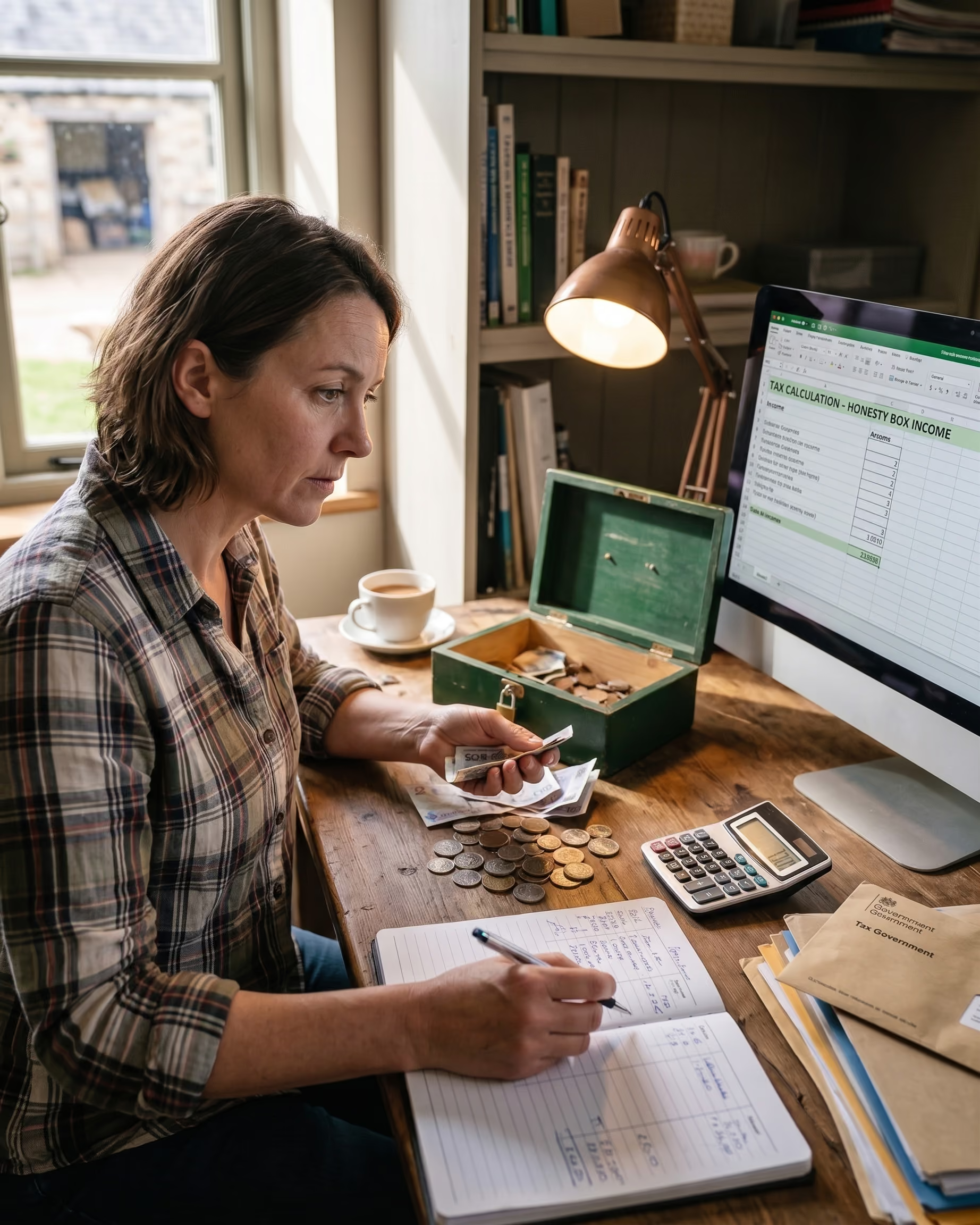
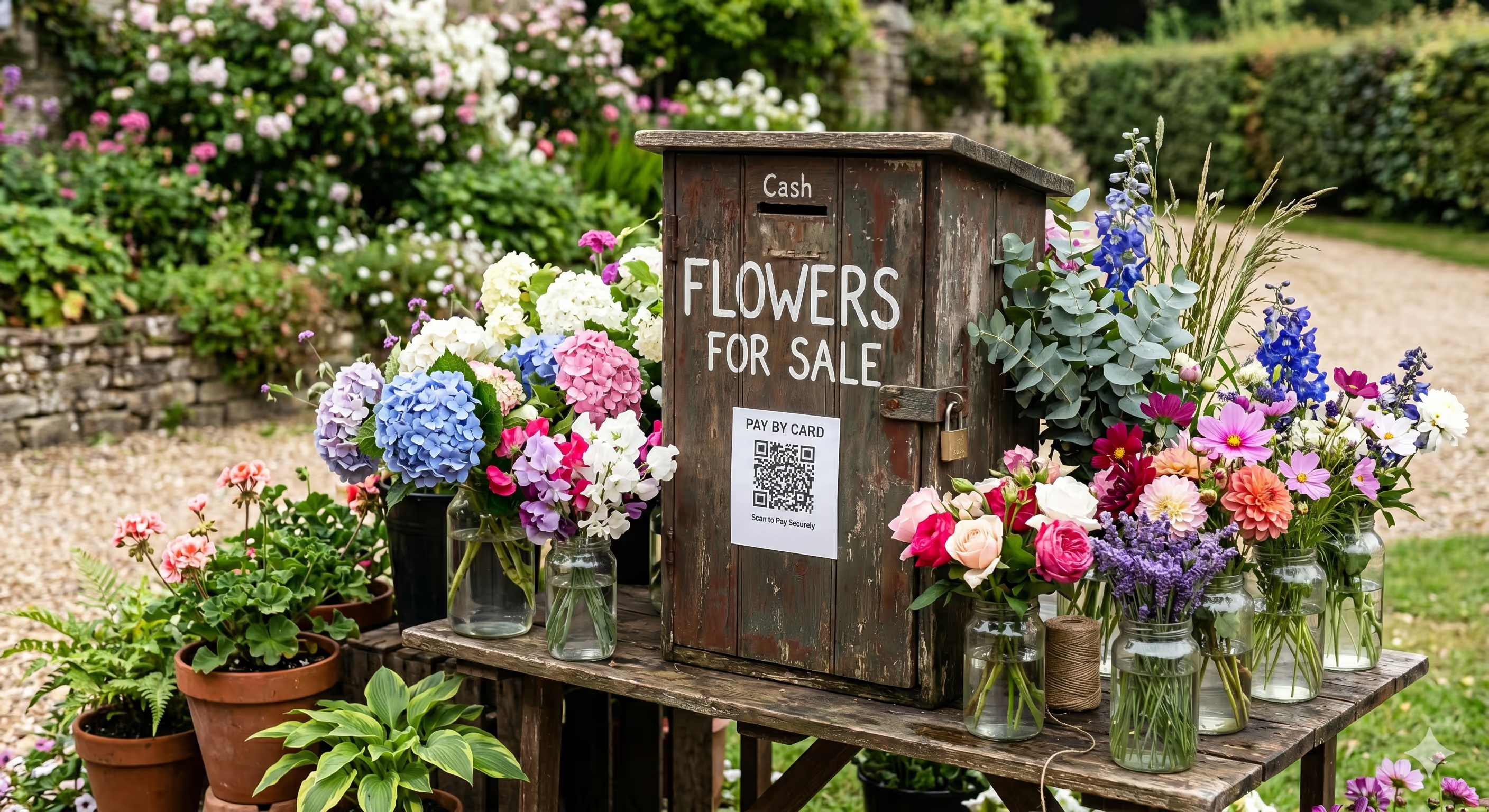
Do I have to pay tax on my honesty box?

Quick answer: yes, honesty box takings count as trading income — but if your total trading income is £1,000 or less in a tax year, the trading allowance covers it completely. You owe nothing and don't need to tell HMRC. Earn more than that and you'll need to register for Self Assessment.
It's one of the most common worries we hear from people thinking about putting a stall at the gate. The good news is that for most small sellers, the answer is simpler than you'd expect.
The £1,000 trading allowance
HMRC gives everyone a trading allowance of £1,000 per tax year. If the total money coming in from your honesty box (and any other casual selling) is £1,000 or less before expenses, the whole lot is tax-free. You don't register for anything, you don't file anything, and you don't pay anything.
To put that in perspective: if you're selling half-dozen boxes of eggs at £2.50, you'd need to sell around 400 boxes in a year before tax enters the picture. Plenty of gate stalls never get near it.
One sensible habit even below the threshold: keep a rough log of takings. If you're anywhere close to £1,000, you'll want to know — and it's your evidence if anyone ever asks.
What happens over £1,000
Once your gross takings pass £1,000 in a tax year, you need to register for Self Assessment. The deadline is 5 October after the end of the tax year in which you crossed the line.
On your return you then choose one of two options:
- Claim the £1,000 allowance and pay tax only on what's above it, without deducting expenses
- Claim your actual expenses instead — feed, seed, compost, egg boxes, the stall itself, fuel for deliveries
You can't do both, so pick whichever leaves the smaller taxable profit. If your costs are low (most honesty boxes are), the allowance usually wins.
Worth knowing: the government has announced that the reporting threshold will rise from £1,000 to £3,000 in the coming years, with a simpler online service for people in between. The tax-free allowance itself stays at £1,000 — so you'd still owe tax above that, just with less paperwork. It isn't in force yet, so the £1,000 registration rule still applies today.
What about stock that goes unpaid?
Here's the question that keeps honesty box sellers up at night: if twenty items leave the stall but the tin only holds enough for fifteen, what do you declare?
You declare what you actually received. Small traders are taxed on real takings, not on what should have been there. If the tin says £45, your income that week is £45. The missing fiver was never yours to be taxed on.
What records do you actually need?
Far less than you'd think. A simple takings log is enough — a notebook or spreadsheet with the date and the amount you emptied from the tin:
Mon 6th — £12.50
Thu 9th — £8.00
Sun 12th — £21.00
Nobody expects receipts for cash left in a tin at a farm gate. What HMRC wants is an honest, consistent record of money in.
This is one place where card payments quietly earn their keep: every QR payment through HonestyBox lands in your Stripe account with a date and amount attached, so a chunk of your bookkeeping does itself. Come January, that's a list you can actually rely on.
Do I need to worry about VAT?
Almost certainly not. VAT registration only becomes compulsory when your turnover passes £90,000 a year. If your honesty box is doing that, you don't need this article — you need a farm shop.
Frequently asked questions
Do I need to set up a business to run an honesty box?
No. You can trade as an individual (a "sole trader" in HMRC's language). Registering for Self Assessment when you pass £1,000 is the only formal step, and it's free.
What if I call it a donation instead of a price?
If people are giving you money in exchange for goods, it's a sale — whatever the sign says. A "suggested donation" label doesn't change the tax position.
Does money from card payments get taxed differently from cash?
No. It's all trading income. The only difference is that card takings arrive with their own paper trail.
I only sell my surplus — is that really "trading"?
If you're regularly putting goods out for sale, HMRC treats the income as trading income. In practice the £1,000 allowance means genuinely small surplus-selling stays tax-free anyway.
This article is general information, not tax advice. For your specific situation, check GOV.UK or speak to an accountant.